Professional EV Charger Installation in Connecticut & Massachusetts
At Prevolt Electric, we specialize in EV charger installation tailored for homeowners and businesses in Connecticut and Massachusetts. Our team of licensed electricians ensures every electric vehicle wiring project is executed with precision, safety, and compliance. Whether you need a Level 2 EV charging station or a comprehensive 200-amp panel upgrade, we deliver expert craftsmanship backed by years of experience since 2016. Trust our dedicated charging circuit installations to power your electric vehicle reliably and efficiently.
Serving Connecticut & Massachusetts with expert EV charging solutions since 2016.
Reliable EV Charger Installation by Licensed Experts
Our commitment to quality and safety makes us the preferred licensed electrician near you for all EV charger installation needs in Connecticut and Massachusetts. We combine expert knowledge with premium materials to ensure your electric vehicle charging setup is efficient, safe, and future-proof.
Dedicated to Electrical Safety
Our team prioritizes electrical safety inspections and code-compliant installations to protect your home or business. We use GFCI protection, weatherproof conduits, and sealed junction boxes to ensure your EV charger wiring meets all safety standards.
- Thorough safety and compliance checks
- Use of high-quality, weather-resistant materials
- Certified installation by experienced electricians
Experienced Licensed Electricians
Since 2016, our licensed electricians have delivered precise EV charger installation services with attention to detail. We ensure your dedicated charging circuit and panel upgrades are optimized for performance and longevity.
- Skilled in residential and commercial EV charger setups
- Custom solutions tailored to your electrical system
- Reliable and efficient wiring and breaker installations
Trusted Service Across CT & MA
Our dedication to quality and customer care has earned us a reputation for outstanding EV charger installation and support. We provide clear communication, prompt service, and expert guidance throughout your project.
- Transparent pricing and project timelines
- Responsive customer support and follow-up
- Comprehensive warranty and maintenance options
Comprehensive Installation & Inspection
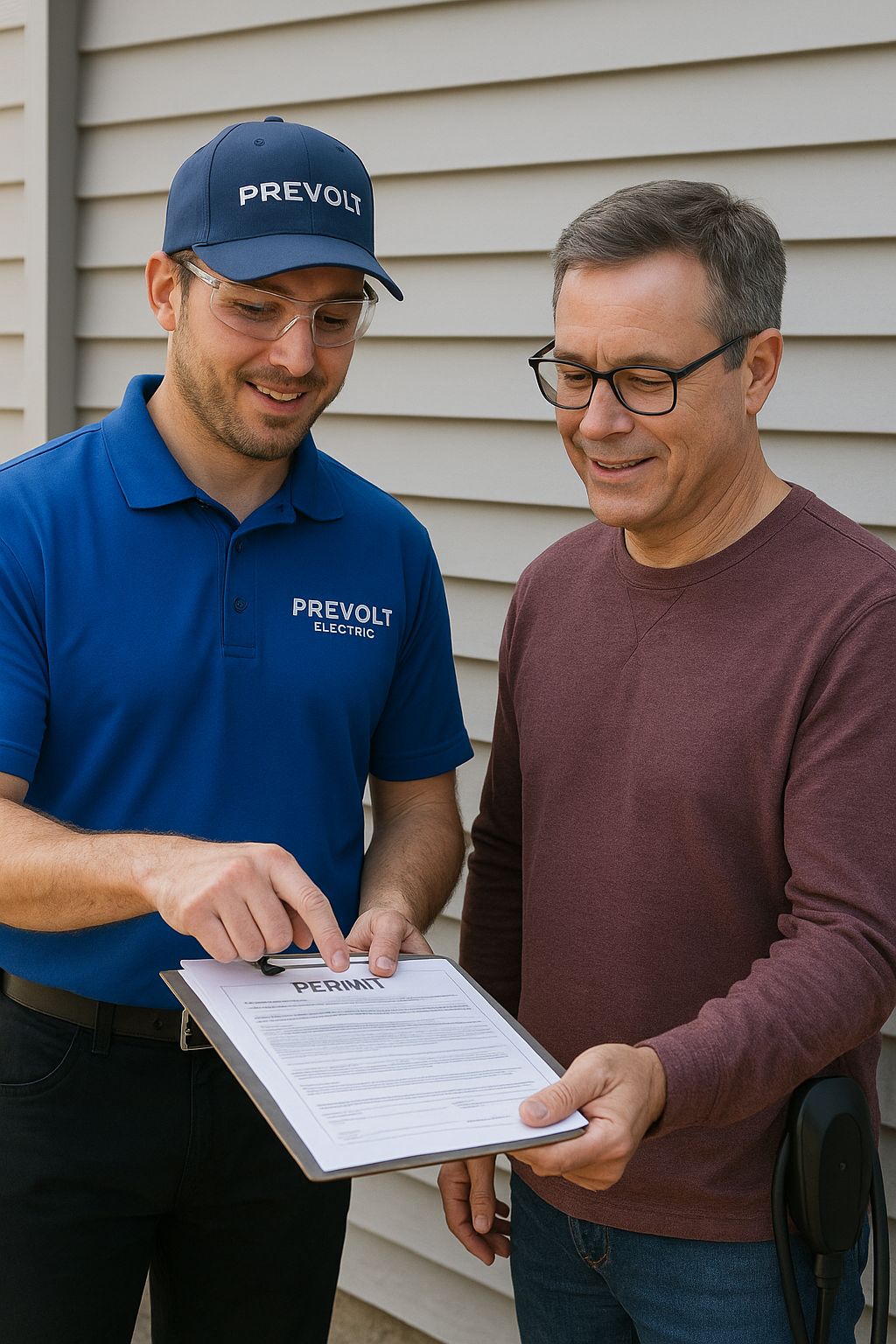
We deliver full-service EV charger installation packages including permits, inspections, and system testing to ensure your setup is safe and reliable. Our licensed electricians handle every step with care and professionalism.
- Permitting and local code compliance
- Electrical panel and breaker upgrades
- Installation of Level 2 EV charging stations
- Dedicated circuit wiring and safety checks
- Final inspection and quality assurance
Our team ensures every project meets the highest standards for electrical safety and EV readiness assessment, providing peace of mind for your investment.
Panel Upgrades & Advanced EV Charging Solutions
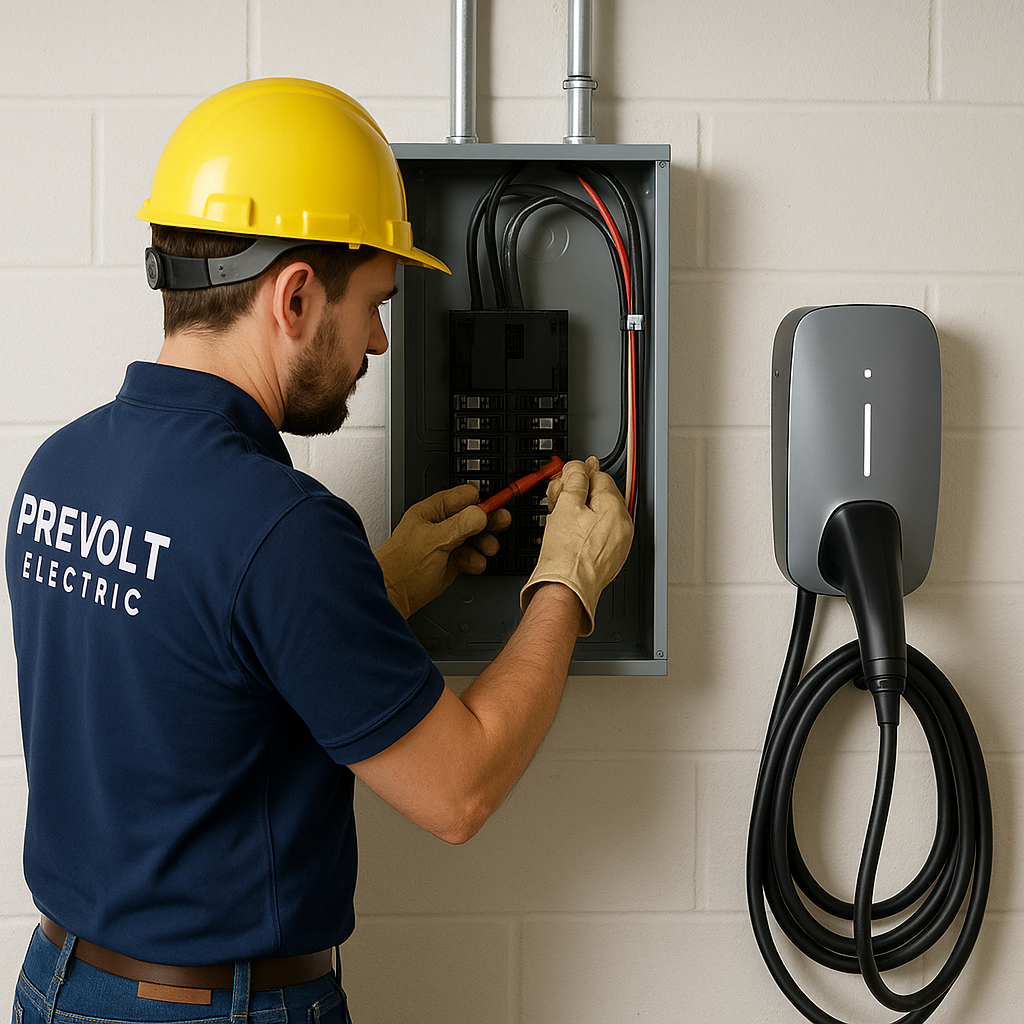
Our electrical panel upgrades and service enhancements support safe, efficient EV charger installation for homes and businesses. We specialize in upgrading to 200-amp service and integrating dedicated charging circuits that meet the latest electrical codes.
- 200-amp panel and service upgrades
- Breaker box replacement and safety enhancements
- Arc-fault and GFCI protection installation
- Electrical load evaluation for EV readiness
- Meter base replacement and upgrade services
- Integration with existing electrical systems
- Custom wiring solutions for commercial EV fleets
- Consultation on future-proof EV infrastructure
Trust Prevolt Electric’s expertise to deliver panel and transformer upgrades that ensure your EV charging system operates safely and efficiently, tailored to your specific needs in Connecticut and Massachusetts.
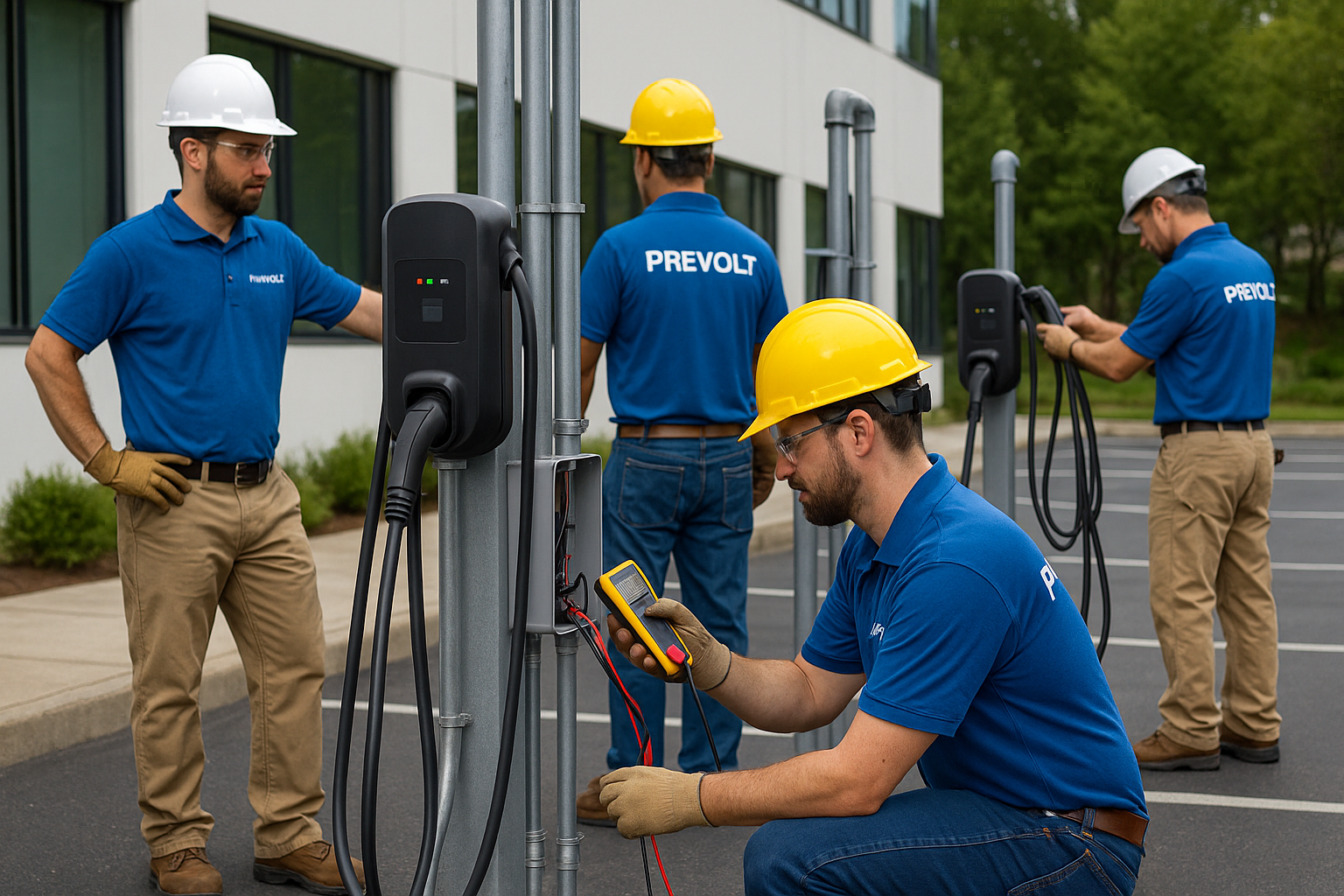
Four Steps to Your EV Charger Ready
Prevolt Electric follows a meticulous four-step process to ensure your EV charger installation is safe, efficient, and compliant. From initial consultation to final inspection, our licensed electricians guide you through every phase with transparency and expertise.
Consultation & Site Assessment
We begin with a detailed evaluation of your electrical system and site conditions to determine the optimal EV charger location and necessary upgrades.
Permitting & Planning
Our team handles all local permits and plans the installation to meet electrical code compliance, ensuring a smooth approval process.
Professional Installation
Experienced electricians install the dedicated charging circuit, upgrade panels if needed, and mount your EV charger with precision and care.
Testing & Final Inspection
We conduct thorough electrical safety inspections and testing to verify system integrity and functionality before project completion.
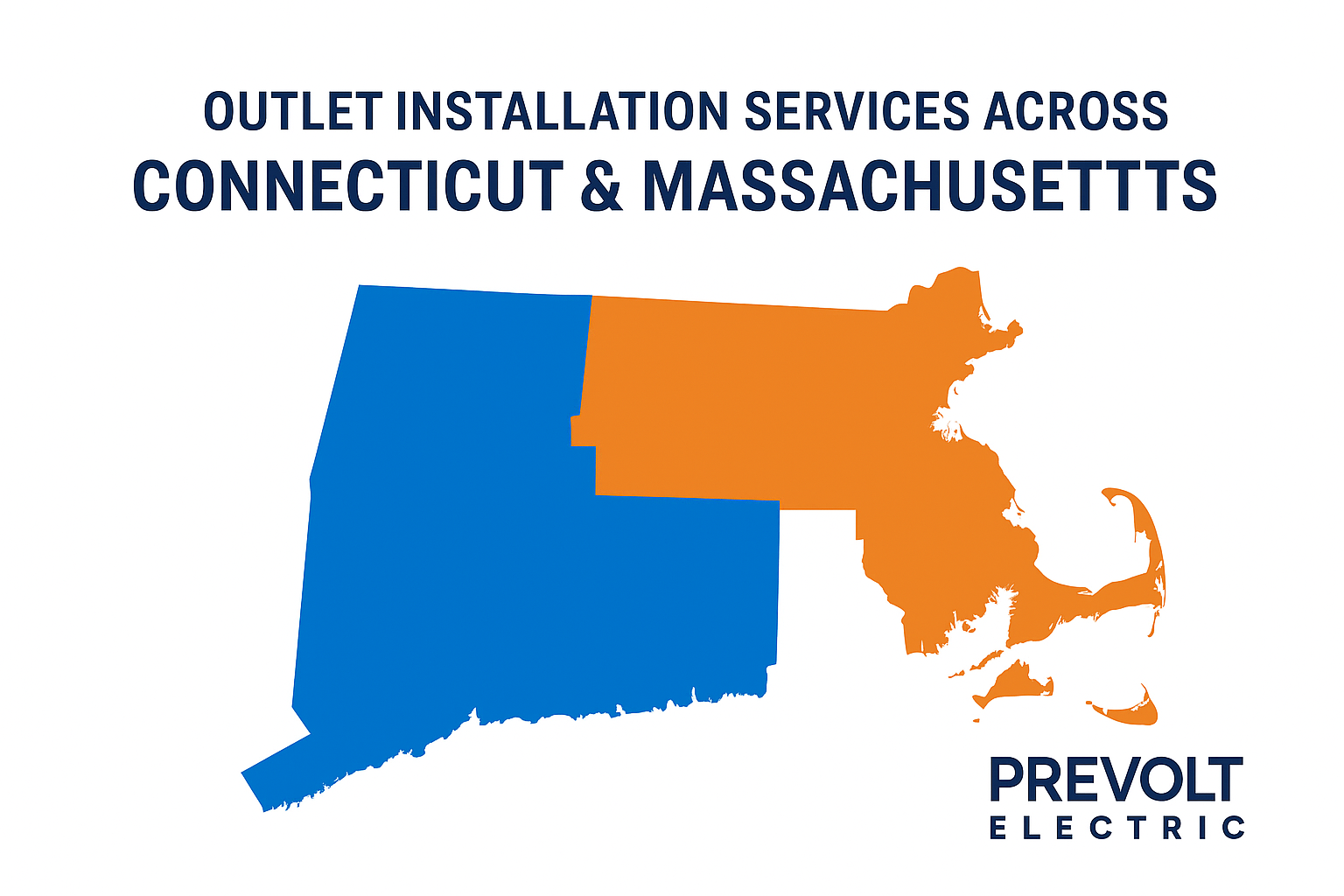
Outlet & Circuit Installation
We provide expert outlet and switch replacement and install dedicated circuits for EV chargers and other high-demand appliances, ensuring safety and reliability.
- Custom circuit design for EV charging
- High-quality outlet installations
- Compliance with all electrical codes
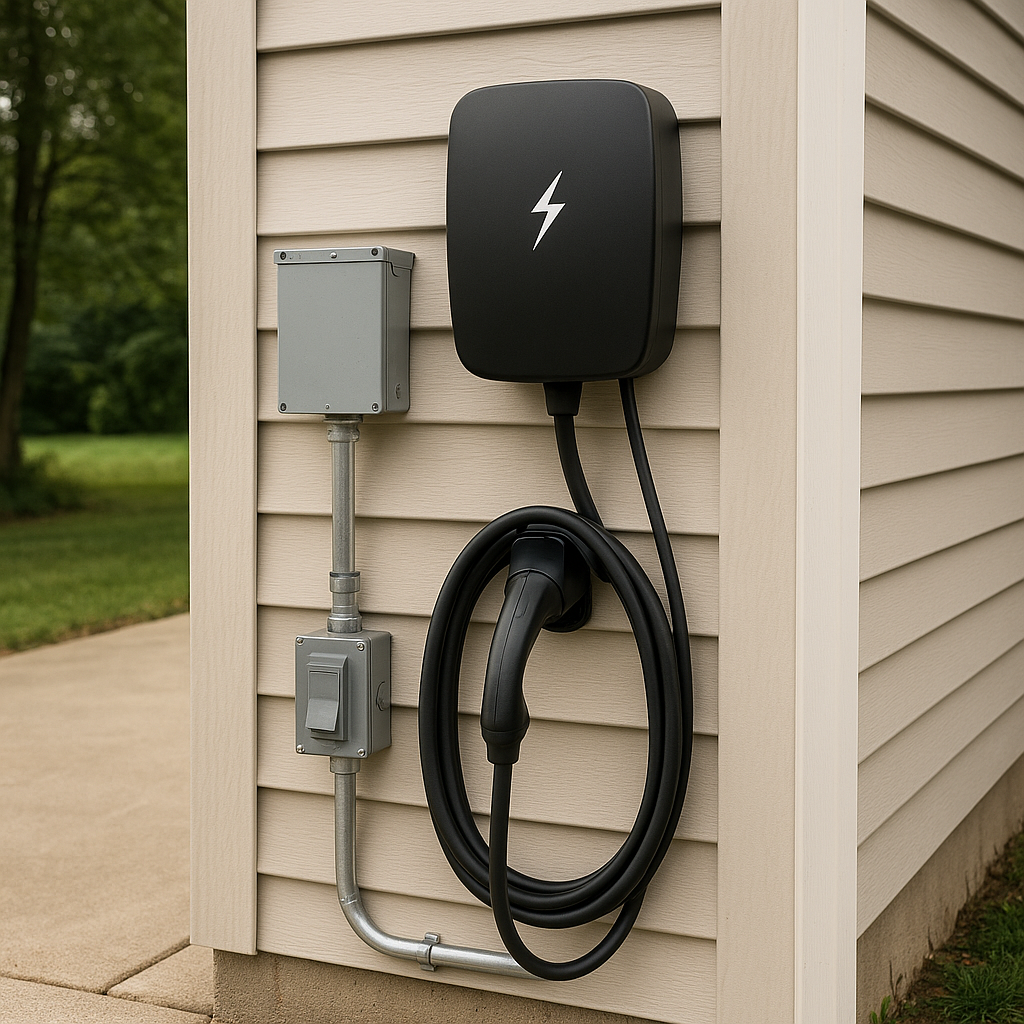
Outdoor EV Charger Setup
Our team specializes in installing outdoor EV chargers with weatherproof conduit, GFCI protection, and sealed junction boxes to withstand all weather conditions safely.
- Durable outdoor wiring solutions
- Weather-resistant materials and enclosures
- Safe and code-compliant installations
Panel Upgrades for EV Charging
We offer professional breaker box replacement and 200-amp service upgrades to support your EV charging needs with enhanced capacity and safety features.
- Load evaluation and panel sizing
- Installation of arc-fault and GFCI breakers
- Future-proof electrical service upgrades
Our EV Charger Installation Projects
Explore examples of our expert EV charger installation work across Connecticut and Massachusetts, showcasing our commitment to quality and safety in every project.

Our team collaborated with a Connecticut office to install multiple commercial EV chargers, ensuring seamless integration with existing electrical systems and future capacity.

We provide tailored EV charging installation services for educational campuses and fleet vehicles, enhancing sustainability and operational efficiency.

Our installations help retail and office properties provide convenient, reliable EV charging options for employees and customers alike.
Serving Connecticut & Massachusetts
Prevolt Electric proudly offers expert EV charger installation and electrical services across Connecticut and Massachusetts, including residential, commercial, and institutional clients. Our licensed electricians are familiar with local codes and community needs, ensuring top-quality workmanship.
Connecticut
- Hartford
- New Haven
- Stamford
Massachusetts
- Springfield
- Worcester
- Boston
Contact us today to schedule your EV charger installation and experience the trusted service that has made Prevolt Electric a leader since 2016.

Explore EV Charger Installation Services Across Connecticut & Western Massachusetts
Browse some of our most important local pages for homeowners and businesses looking for EV charger installation, Level 2 charging stations, dedicated charging circuits, panel upgrades, and code-compliant electric vehicle charging solutions across Connecticut and Western Massachusetts.
Popular Connecticut EV Charger Installation Areas
Explore Connecticut EV charger installation pages for homes and businesses that need safe, reliable charging access, dedicated circuits, and future-ready electrical capacity.
Popular Massachusetts EV Charger Installation Areas
Visit Western Massachusetts EV charger pages for residential charging, commercial charging, panel readiness, and professionally installed Level 2 charging stations.
Explore Related Electrical Upgrade Services
Looking for a broader electrical service connected to EV charging? Use these core pages to explore panel capacity, backup power, troubleshooting, and full service coverage.
What Our Customers Say
Our clients consistently praise our professionalism, attention to detail, and expert EV charger installation services. We are proud to maintain a 5.0 average rating backed by real local customers.
EV Charger Installation FAQs
Find answers to common questions about our EV charger installation services, electrical requirements, and what to expect during your project.
How long does EV charger installation take?
›
Do I need a panel upgrade for EV charging?
›
Are your installations code compliant?
›
Can you install chargers for commercial fleets?
›
How do I schedule an installation?
›
Schedule Your EV Charger Installation Today
Join hundreds of satisfied customers in Connecticut and Massachusetts who trust Prevolt Electric for expert EV charger installation and electrical upgrades. Our licensed electricians provide safe, efficient, and code-compliant solutions tailored to your needs.
Serving Connecticut & Massachusetts with expert electrical services since 2016.